
Related Posts


Boosting Reading Speed – The Surprising Power of a Visual Pacer
Did you know that using a visual pacer, like a pen, pencil, or your finger, can boost reading speed by 25–50%?
It’s one of the simplest tools to support focus, fluency, and comprehension. But why does it work so well?
Because it taps into how our brains are wired to pay attention.
Why Most People Struggle With Reading
If your child zones out while reading, or forgets what they just read, you’re not alone. There are three common issues that get in the way:
1. Lack of Education:
Most of us were never taught how to read efficiently.
2. Lack of Focus:
Slow readers often lose concentration. Ironically, faster readers tend to comprehend more, because they’re focused and engaged. The brain needs stimulation, if it doesn’t get it from the book, it will look for it elsewhere.
3. Regression:
This is the habit of unconsciously re-reading words. It breaks momentum, ruins flow, and wastes time.
The good news? It’s a habit you can unlearn.
Why a Visual Pacer Works
Here’s the science:
-
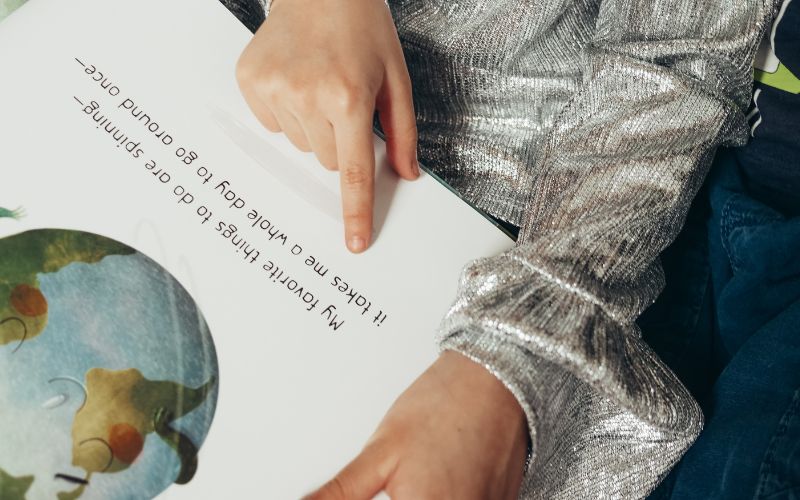
Kids do it naturally.
Watch a child learning to read, and they’ll often use their finger to guide their eyes. -
You’ve done it too.
Ever counted lines or words with your finger? That’s your brain using a pacer to stay focused. -
Your eyes are drawn to motion.
It’s a survival skill, movement could mean lunch… or danger. That’s why a pacer helps lock your attention onto the text.
A visual pacer keeps your brain engaged and pulls your attention to the words, rather than letting it drift.
How to Use It (the Right Way)
Use your whole arm, not just your finger. Small muscles (like the ones that bend your finger) tire quickly. Large muscles help you pace naturally from left to right across the page.
Practice adjusting your speed.
Great readers can slow down when a passage is complex, and speed up when it’s easy.
Think of it like playing golf with a full set of clubs instead of just one: flexibility is power.
Don’t Forget Posture
If your book is flat on the desk, you may notice the words appear smaller. This makes reading harder, and often leads people to hunch forward.
That creates a new problem: collapsed breathing.
-
The lower third of your lungs absorbs two-thirds of your oxygen.
-
When you lean forward, your diaphragm compresses.
-
Less oxygen means mental fatigue, boredom, and slow reading.
Fix it:
-
Sit upright. Reading is a visual activity, and upright posture supports that.
-
Tilt the book toward your eyes so the words appear larger.
-
Breathe deeply into your belly.
Your brain is only 2% of your body weight but uses 20% of your energy. Give it what it needs.
Mastery Comes From Repetition
“I fear not the man who has practiced 10,000 kicks once,
but I fear the man who has practiced one kick 10,000 times.” — Bruce Lee
Improving reading is no different.
Start with the basics: visual pacing, posture, breath. Practice at the edge of your ability. Keep going. Adjust. Learn. Repeat.
Practice makes progress. The goal isn’t perfection, it’s growth.
Final Thought
When you do the hard things now, your life gets easier later.
When you avoid the work, everything gets harder.
First, you create your habits.
Then, your habits create you.

Keep reading practice short
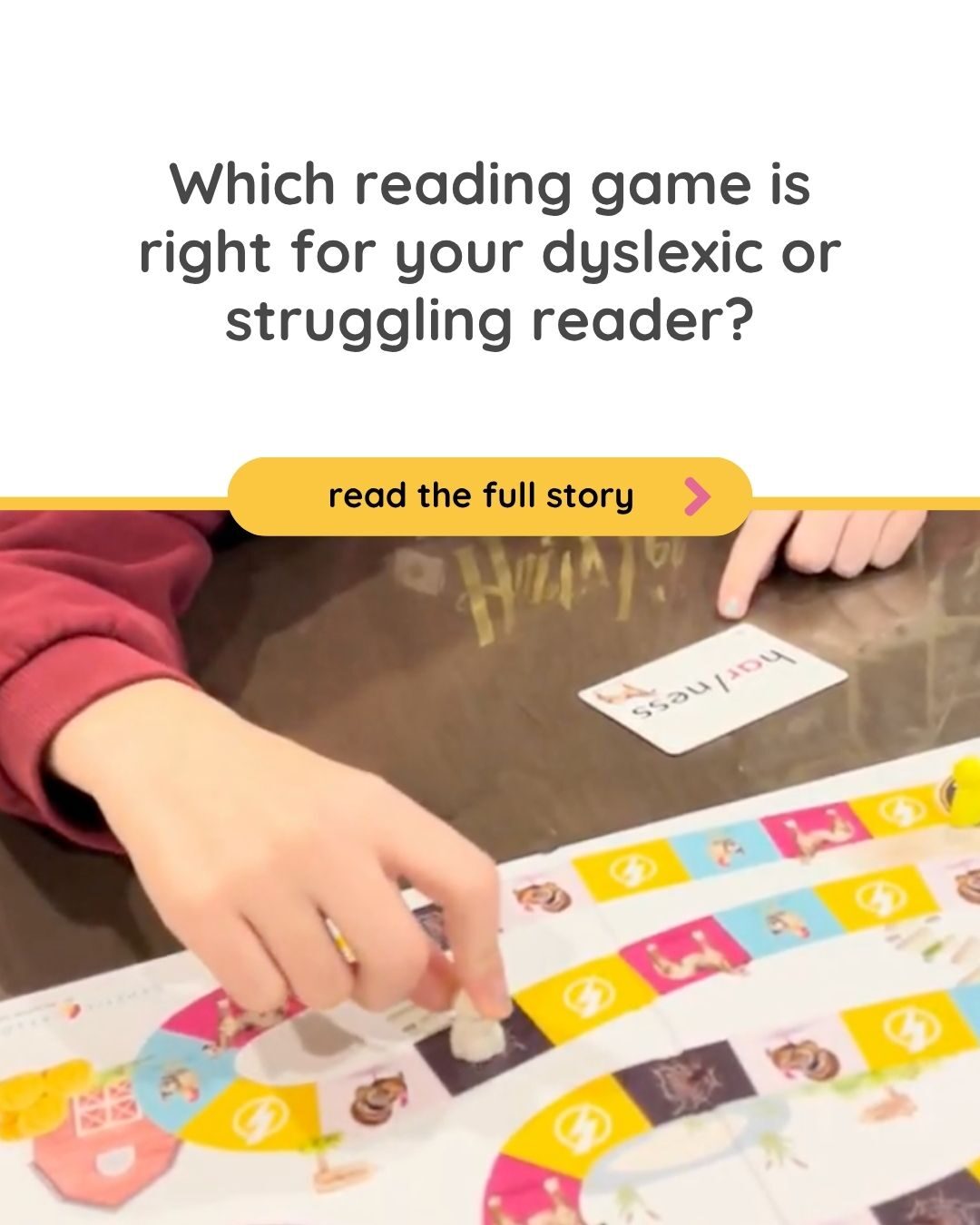
You do not have to work on everything at once. Choose one skill and practice it for 10 or 15 minutes.
Repeat the game over several sessions before moving on. Dyslexic children often need more repetition, but that repetition does not have to feel like another worksheet.
Games give children a reason to keep looking, listening and trying.
Find the right place to begin
The best reading games for dyslexic children meet them at their current skill level and provide focused practice without making reading feel overwhelming.
Your child does not need more random practice. They need the right practice for the skill they are finding difficult.
Choose one game. Start with one level. Celebrate each small win.
Stop guessing. Start decoding.
The Genesis Reading Team

Discover more articles like this | Explore educational games to support learners and homeschooling.
