
Related Posts


1. Build Fine Motor Skills
Strong hands = better writing. Try:
- Playdough to build finger strength.
- Tweezers + beads to improve control.
- Tracing letters in sand or shaving cream for fun sensory learning.
2. Break Writing into Steps
Writing feels overwhelming? Chunk it down:
- Brainstorm with mind maps.
- Write a rough draft, don’t worry about spelling yet.
- Edit in stages: content, grammar, then spelling.
Use tools like colored lines or letter “houses” to teach letter placement, and consider cursive, where all letters start on the baseline!
3. Engage the Senses
Multisensory learning builds memory:
- Sky writing (big arm movements).
- Sandpaper letters for touch.
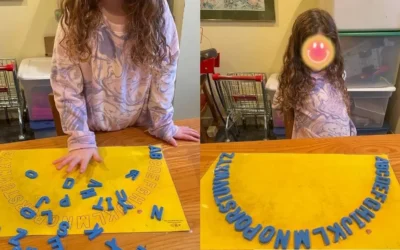
- Guess-the-letter games with wooden or plastic letters.
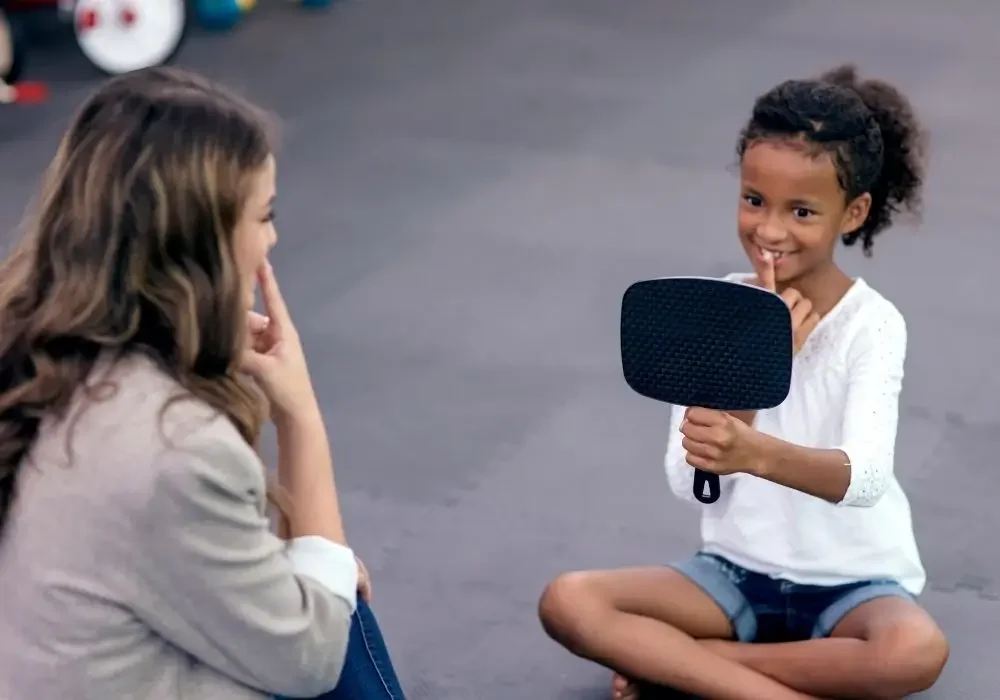
Practice sounds with a mirror and throat check: Is it voiced? Blocked?
Try Say What! The game that helps with speaking clearly helps people understand you the first time, no repeating, no confusion!
4. Make Spelling Fun
Games beat drills! Focus on patterns:
- “C” before a, o, u (cat, cop).
- “K” before i and e (kit, keg).
- “CK” after a short vowel (back, lock).
Try DO YOU HAVE BUT?, our cheeky syllable-matching game that makes spelling rules fun!
5. Use Tech Tools
Help them get ideas out:
- Speech-to-text software for storytelling.
- Typing programs to build keyboard skills.
- Word prediction tools to support spelling.
6. Set Small, Realistic Goals
Celebrate the wins, no matter how small. A single neat sentence or correctly spelled word is progress. Keep it positive and patient.
7. Take Breaks Often
Writing is tiring. Let them pace themselves, 3 sentences, a break, then more. Often, they’ll surprise you and keep going!
8. Tap into Creativity
Let them dictate stories, make videos, or draw their ideas. You can help with word banks based on what they want to write. Creativity builds confidence.
9. Create a Cozy Writing Space
A quiet corner with pencil grips, slanted boards, or whiteboards can make writing feel more manageable and even fun.
10. Don’t Interrupt the Flow
When they’re in the zone, let the ideas come. Save edits and corrections for later, connection first, corrections second.

Final Thoughts
Helping your child with dysgraphia is a journey, but you’re not alone. With patience, creativity, and playful tools, writing can become a joyful part of their day.
Looking for a place to start? Check out all of my educational games that build confidence and make learning stick!
Keep reading practice short
You do not have to work on everything at once. Choose one skill and practice it for 10 or 15 minutes.
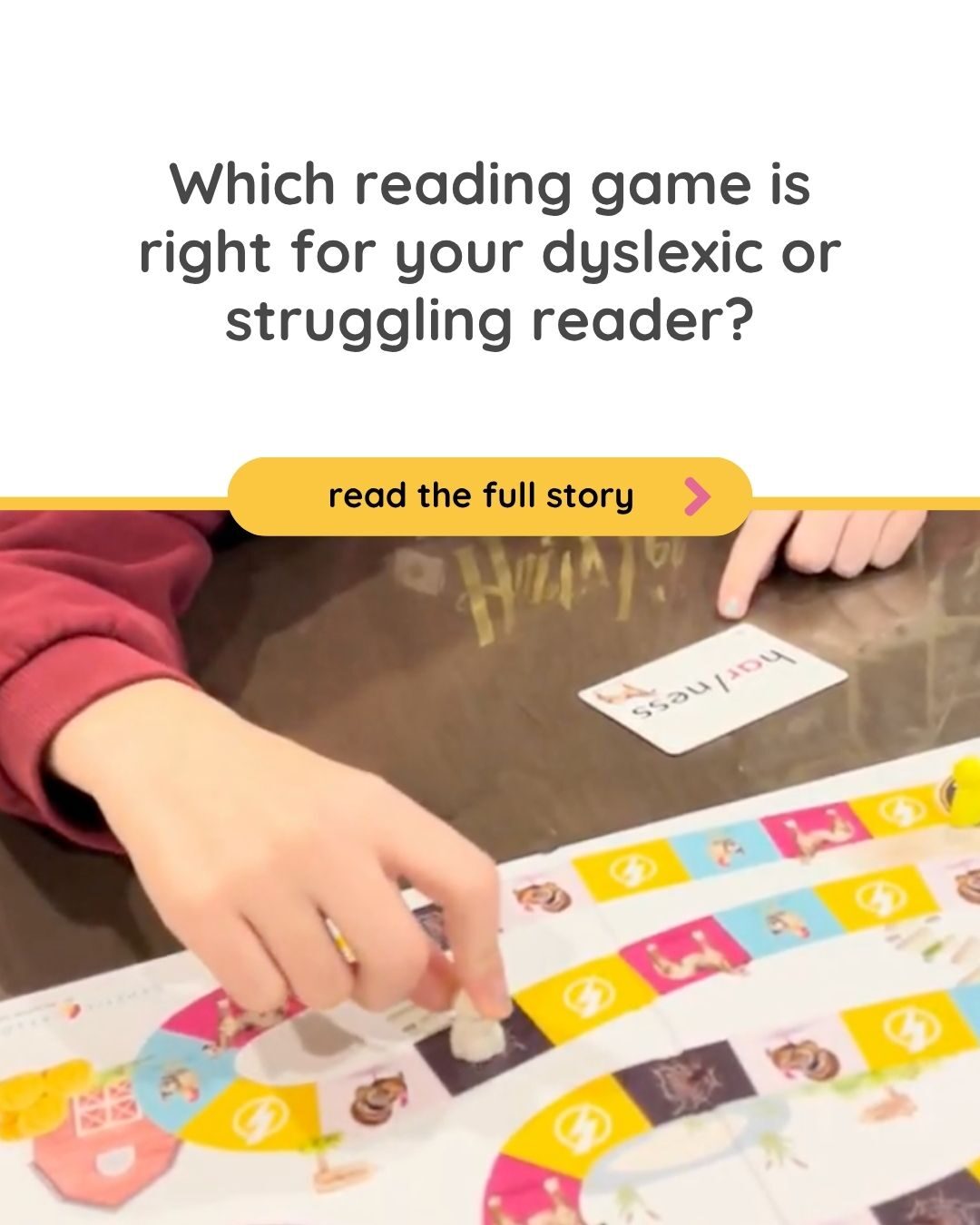
Repeat the game over several sessions before moving on. Dyslexic children often need more repetition, but that repetition does not have to feel like another worksheet.
Games give children a reason to keep looking, listening and trying.
Find the right place to begin
The best reading games for dyslexic children meet them at their current skill level and provide focused practice without making reading feel overwhelming.
Your child does not need more random practice. They need the right practice for the skill they are finding difficult.
Choose one game. Start with one level. Celebrate each small win.
Stop guessing. Start decoding.
The Genesis Reading Team

Discover more articles like this | Explore educational games to support learners and homeschooling.
