

Related Posts
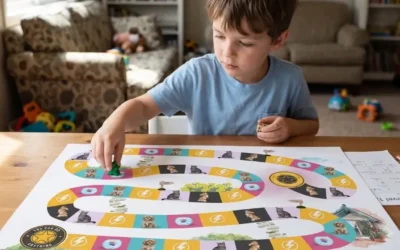

Dyslexia intervention shouldn’t require moving 300 miles. But that’s exactly what I did.
When my daughter began school, she struggled, badly. Despite her intelligence and creativity, reading became a source of daily pain. Like so many families, we were told to “wait and see.” But waiting didn’t help. Her confidence collapsed. Her potential was slipping away. And I couldn’t let that happen.
So I changed everything. I left a career in luxury PR. I trained in Montessori education and became certified in Orton-Gillingham. I homeschooled her. I advocated. I moved states. I did everything I could to help her learn to read, not through guesswork or memorization, but through evidence-based, brain-friendly instruction.
I had the privilege of sharing our journey on the Learning Can’t Wait podcast by Fullmind Learning.
“Dyslexia Intervention Equity: A Conversation with Sheridan Hotung”
In this episode, we talk about the power of early dyslexia intervention and what happens when kids don’t get the help they need. We explore:
-
What it’s like to be a parent watching your child slip through the cracks
-
The emotional and financial toll of seeking proper intervention
-
My work inside correctional facilities, assessing incarcerated adults literacy ability
-
How Genesis Reading came to life through the tools, games, and systems I developed for my own daughter
What began as a mother’s mission to save one child’s future has become a calling, to make literacy tools affordable, accessible, and effective for everyone. Because I’ve seen what’s possible when the right intervention meets the right timing. And I’ve also seen what happens when it doesn’t. You can read more about my story homeschooling a child with dyslexia and what I wish I know sooner.
Thank you to Fullmind Learning for giving space to this critical conversation. Literacy can’t wait.
What Real Literacy Looks Like
Reading is just one part of literacy. The ultimate goal is to help children:
- Listen actively
- Speak clearly
- Read fluently
- Write thoughtfully
- Think critically and creatively
We want kids to express their ideas, solve problems, and understand the world—whether through a book, a conversation, or a wild, made-up tale that begins with a wizard in a hot air balloon.
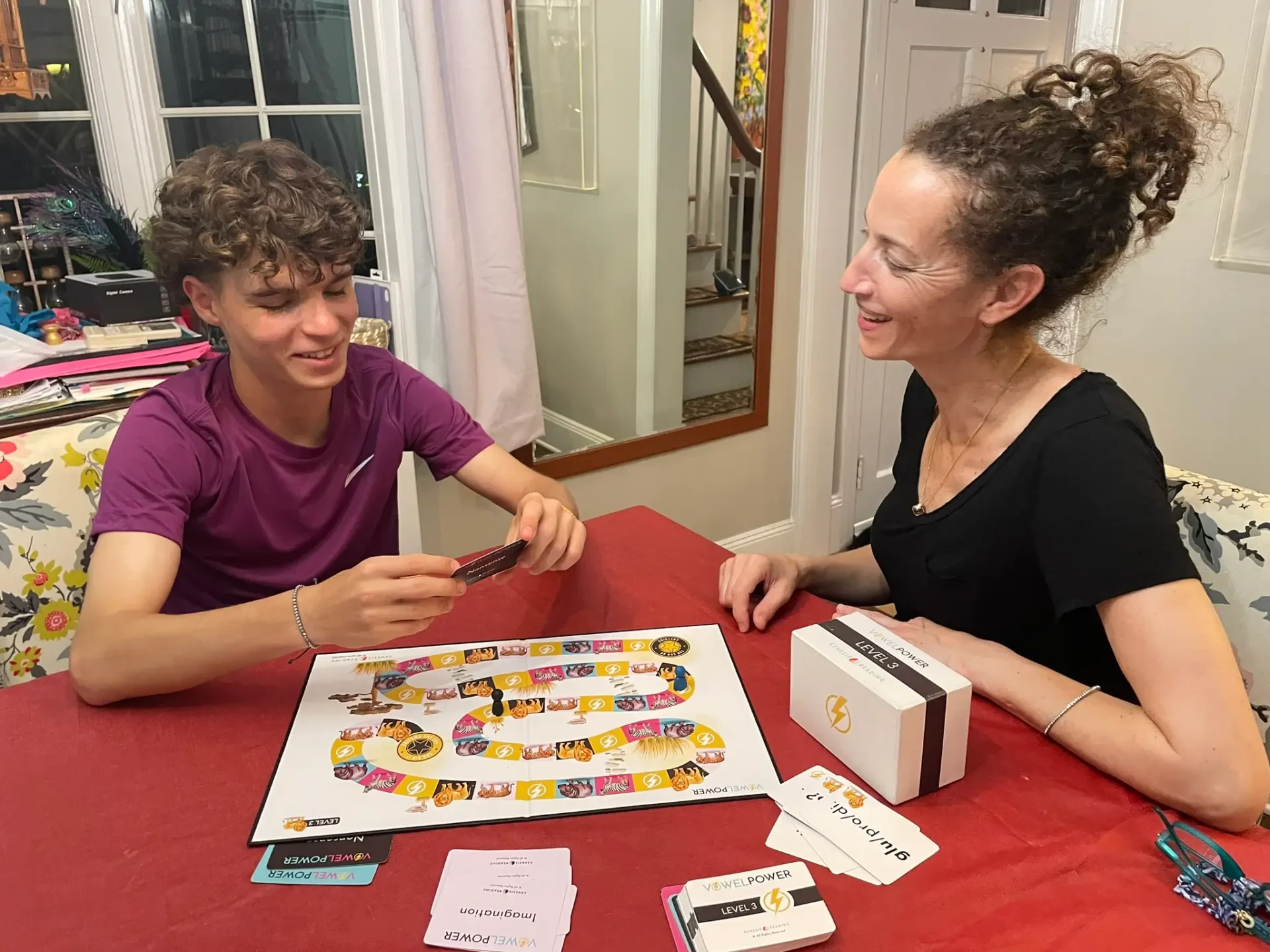
Meet VOWEL POWA(R)™
A Reading Game That Turns Learning Into Laughter.
VOWEL POWA(R)™ is more than just a game; it’s a storytelling adventure built on the Science of Reading.
It helps children strengthen phonemic awareness, vocabulary, sentence structure, and oral language, all while bonding with family and having fun.
How It Works
Play With Purpose
Use your cards, each showing a character, setting, action, or emotion, to spark story ideas. Kids naturally build structure and sequencing skills as they imagine what happens next.
Build the Story Together
Take turns adding twists, turns, and surprises. It’s dramatic, silly, spooky, whatever your child dreams up. Along the way, they’re practicing expressive language and narrative thinking.
Add Up the Points
Once the story ends, tally the card points. Winning the race is optional; winning confidence is guaranteed.
Why Kids (and Parents) Love It
This isn’t a worksheet. It’s not a drill. It’s real reading, disguised as a game.
-
Improves decoding and fluency
-
Builds vocabulary and grammar naturally
-
Boosts expressive and receptive language
-
Sparks imagination and critical thinking
-
Gives every child a chance to shine
“As a reading specialist, I’ve used the VOWEL POWA(R)™ series with students across diverse learning needs, and I’m incredibly impressed with the results. These games are more than just fun, they’re a powerful tool for helping all readers master critical literacy skills.”
— Maria H., M.A., M.Ed., Ed.D.
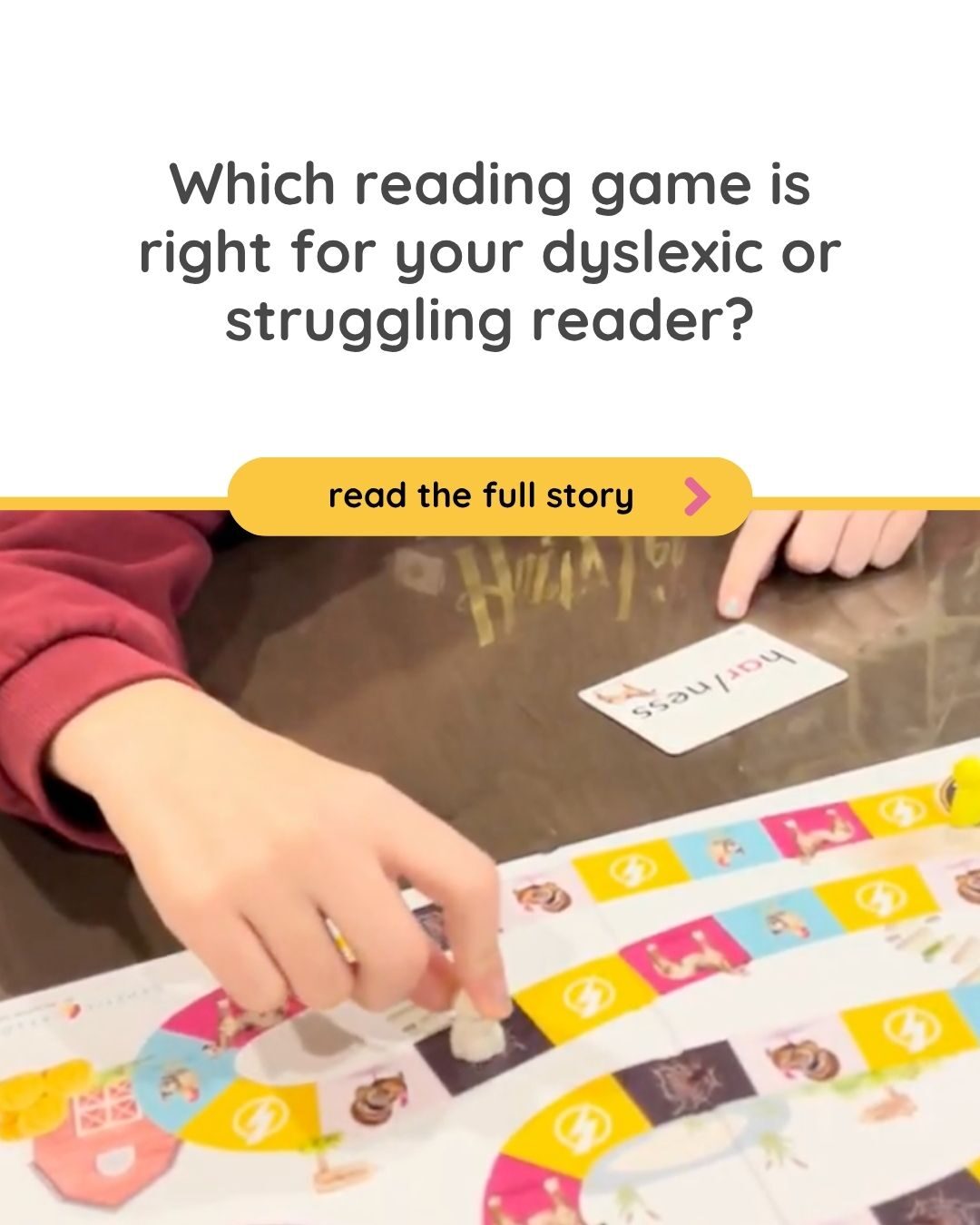
Keep reading practice short
You do not have to work on everything at once. Choose one skill and practice it for 10 or 15 minutes.
Repeat the game over several sessions before moving on. Dyslexic children often need more repetition, but that repetition does not have to feel like another worksheet.
Games give children a reason to keep looking, listening and trying.
Find the right place to begin
The best reading games for dyslexic children meet them at their current skill level and provide focused practice without making reading feel overwhelming.
Your child does not need more random practice. They need the right practice for the skill they are finding difficult.
Choose one game. Start with one level. Celebrate each small win.
Stop guessing. Start decoding.
The Genesis Reading Team

Discover more articles like this | Explore educational games to support learners and homeschooling.
