

Related Posts



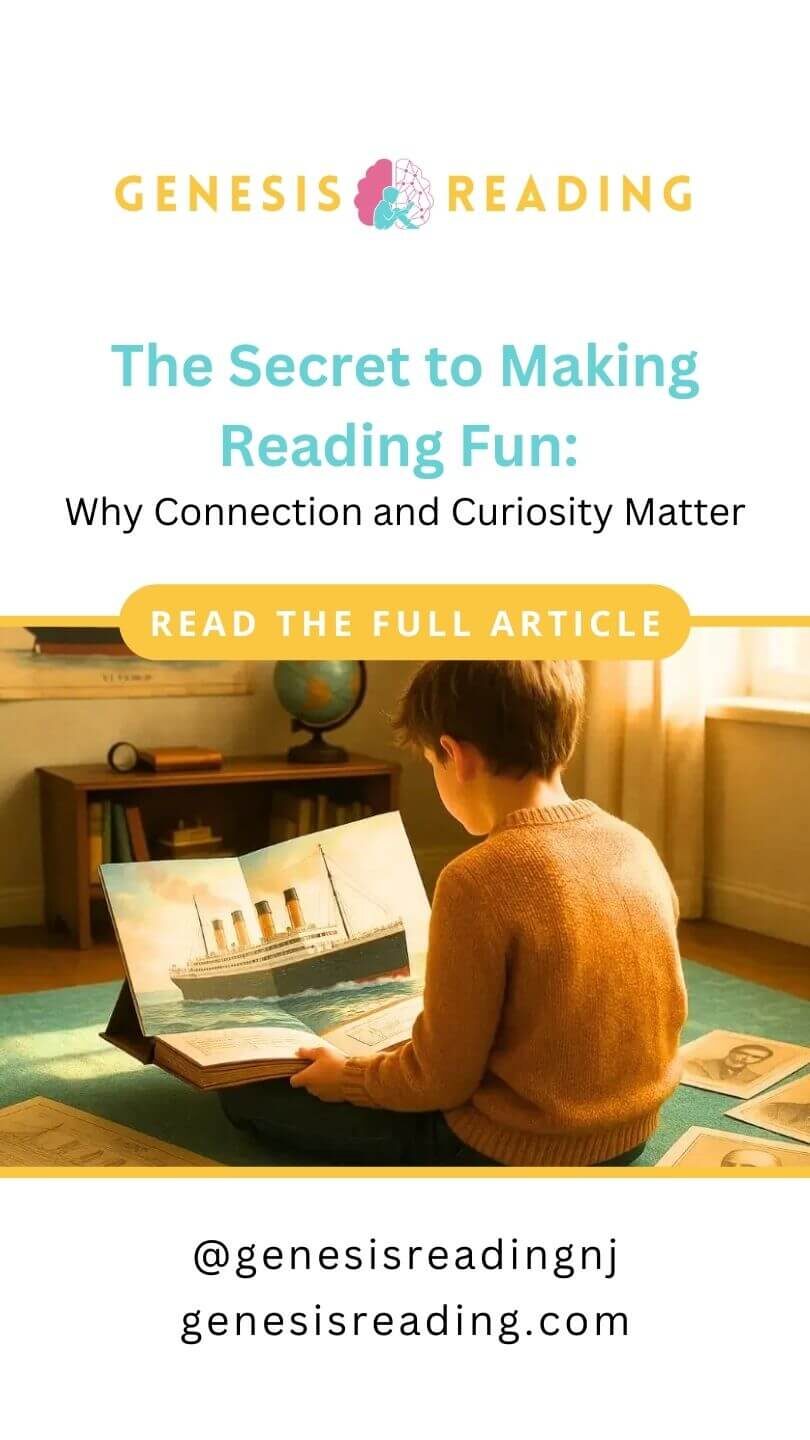
The day Tristan discovered the Titanic, reading stopped being work and started feeling like an adventure. It was a perfect example of how making reading fun can transform a child’s learning journey.
What began with a single pop-up book turned into hours of exploration, he’d pore over every page, ask endless questions, and dive into new vocabulary. His curiosity grew so strong that he could explain the ship’s mechanics, retell the captain’s heroic story, and connect new words like “Titanic” to the “Titans” of wealth and philanthropy he learned about, such as John Jacob Astor. This fascination didn’t just build knowledge; it became the bridge that helped him read his first book independently by sixth grade, a milestone that earned him the “Bookworm Award.” Stories like Tristan’s show that when curiosity and connection drive learning, reading becomes joyful and progress accelerates.
Why Connection Builds Confidence
Reading breakthroughs often start with strong relationships. Children who feel understood and supported are more willing to take risks, make mistakes, and try again.
Building Trust: Struggling readers often carry the weight of discouraging classroom experiences. A trusted adult, whether a parent or teacher, creates a safe space to fail forward, turning mistakes into learning moments.
Motivating Effort: Celebrating even the smallest wins helps reading feel less like work and more like a victory. When children know you see their effort, they push through challenges with greater determination.
Reducing Anxiety: A calm, connected environment minimizes the fear and stress that so often derail learning, allowing children to focus and succeed.
Curiosity: The Ultimate Reading Fuel
Curiosity doesn’t just inspire kids, it transforms their brain’s ability to absorb and retain information. Tristan’s Titanic journey is proof of how powerful curiosity can be. We can create the same magic for other children by connecting reading with what they already love.
Find Their Hook: Just as Tristan devoured every Titanic fact, connect reading material to what your child loves, whether that’s dinosaurs, magic, or space.
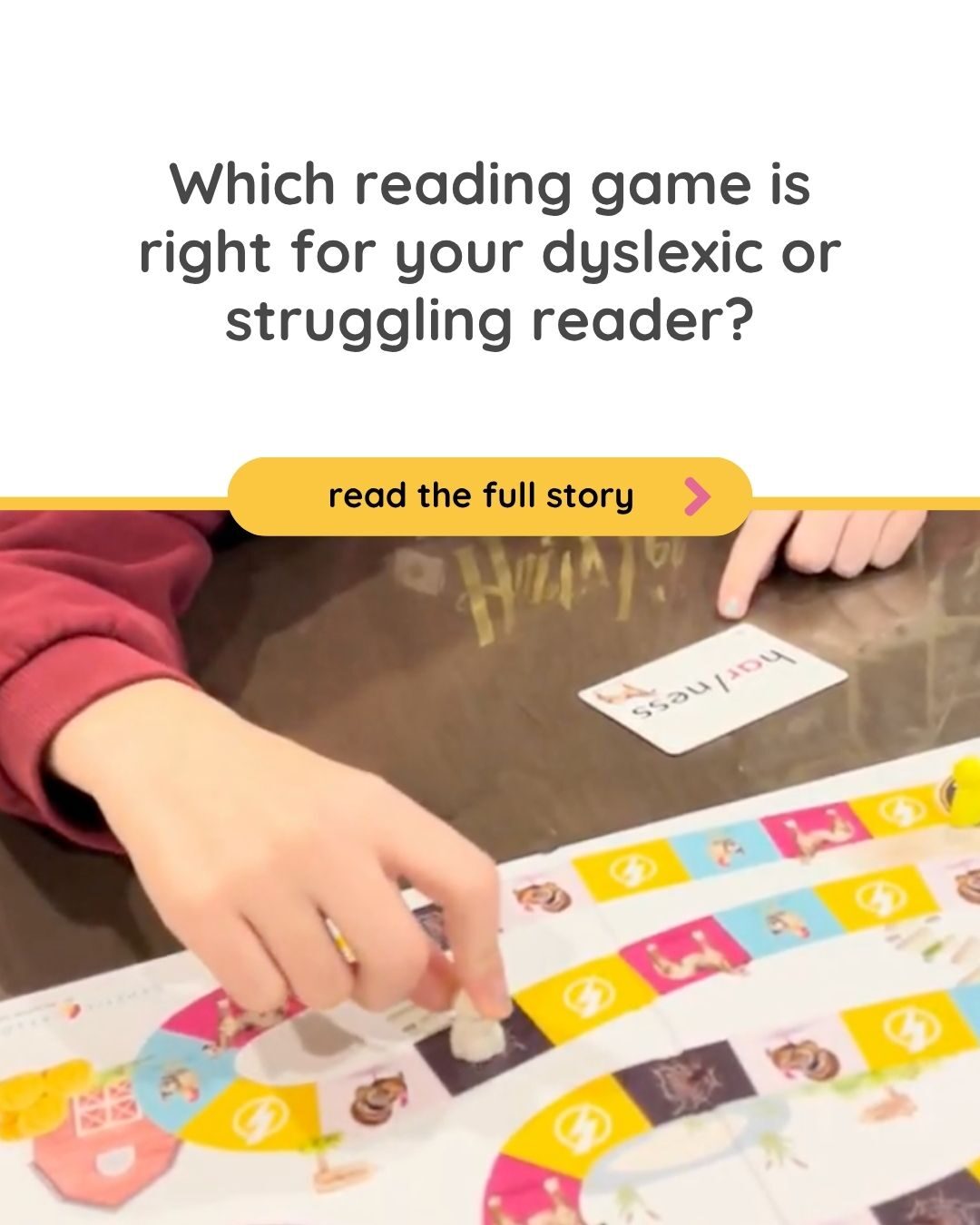
Play to Learn: Interactive games like VOWEL POWA(R)™ and DO YOU HAVE BUT? bring reading skills to life. They blend strategy and phonics practice into playful moments, turning “work” into an experience kids beg to repeat.
Encourage Questions: Ask “What do you think happens next?” or “Why did that character make this choice?” This not only builds comprehension but also fuels deeper engagement. Make It an Adventure: Simple challenges, like a treasure map for completed chapters, can transform reading into something kids look forward to.
Making Tough Tasks Enjoyable
Even complex reading goals become manageable when broken into small, playful steps:
Chunk It Down: Break tasks into small, manageable parts, start with a paragraph or even one sentence at a time. Celebrate each success to build momentum and confidence.
Turn It Into a Game: Tools like DO YOU HAVE BUT? make phonics fun by turning syllable recognition into a playful challenge. Games remove the pressure and create positive associations with reading practice.
Read Together: Take turns reading aloud, act out scenes, or discuss characters’ choices. Sharing the experience makes reading more interactive and less intimidating.
The Long-Term Impact
When children feel connected and curious, they not only learn faster but also develop a lifelong love of reading. They move beyond memorization into true comprehension, growing confidence as independent learners.
Want to make reading fun for your child? Try DO YOU HAVE BUT?, the cheeky syllable-matching game perfect for families and classrooms. And don’t miss VOWEL POWA(R)™, available now to print at home and start playing right away. These games make mastering reading skills exciting and memorable.
Keep reading practice short
You do not have to work on everything at once. Choose one skill and practice it for 10 or 15 minutes.
Repeat the game over several sessions before moving on. Dyslexic children often need more repetition, but that repetition does not have to feel like another worksheet.
Games give children a reason to keep looking, listening and trying.
Find the right place to begin
The best reading games for dyslexic children meet them at their current skill level and provide focused practice without making reading feel overwhelming.
Your child does not need more random practice. They need the right practice for the skill they are finding difficult.
Choose one game. Start with one level. Celebrate each small win.
Stop guessing. Start decoding.
The Genesis Reading Team

Discover more articles like this | Explore educational games to support learners and homeschooling.
